.svg)
Drawing on the author’s experience in Cairo, this article argues that street signs act as an “open textbook,” revealing Arabic’s living, changing forms.



When learning Arabic in a study abroad program, the classroom is only part of the learning experience. If we step outside of the classroom walls, something else happens.
The city starts speaking its language.
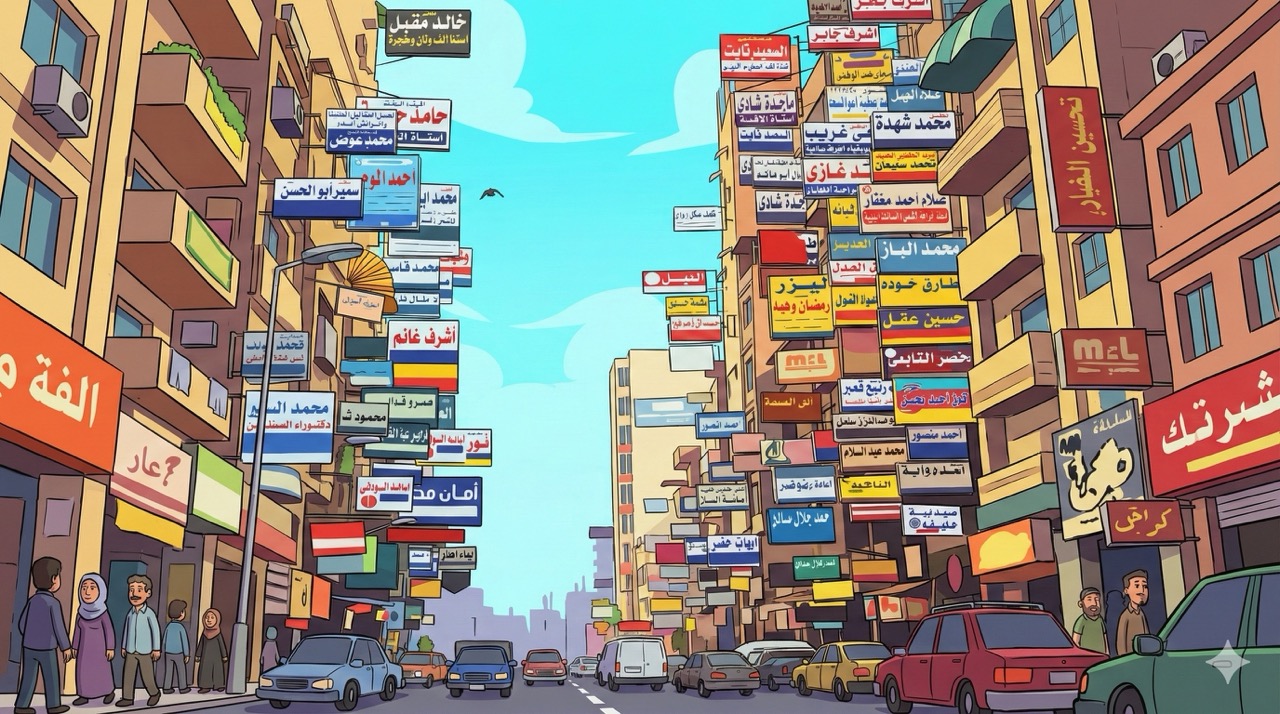
Street signs, shop windows, café menus, graffiti, school walls, billboards… Arabic is everywhere, layered, alive, dynamic and constantly shifting.
Looking at the specific case of Cairo, where I studied Arabic through the CASA program between 2023 and 2024, and where I am currently a TAFLTAFLTeaching Arabic as a Foreign Language fellow at the American University in Cairo, the city reveals itself as layered, lively, creative and sometimes contradictory.
As Arabic learners here, we have the unique opportunity to walk through one of the richest learning resources everyday... just need to pay some closer attention!
On this basis, I began to think of the city as an ‘open textbook’, one you don’t sit down to read, but you move through and interact with.
This article draws from my final assignment for the class “Principles of Linguistic Analysis” by Dr. Reem Bassiouney, part of the MA in Teaching Arabic as a Foreign Language (TAFL) at the American University in Cairo (AUC).
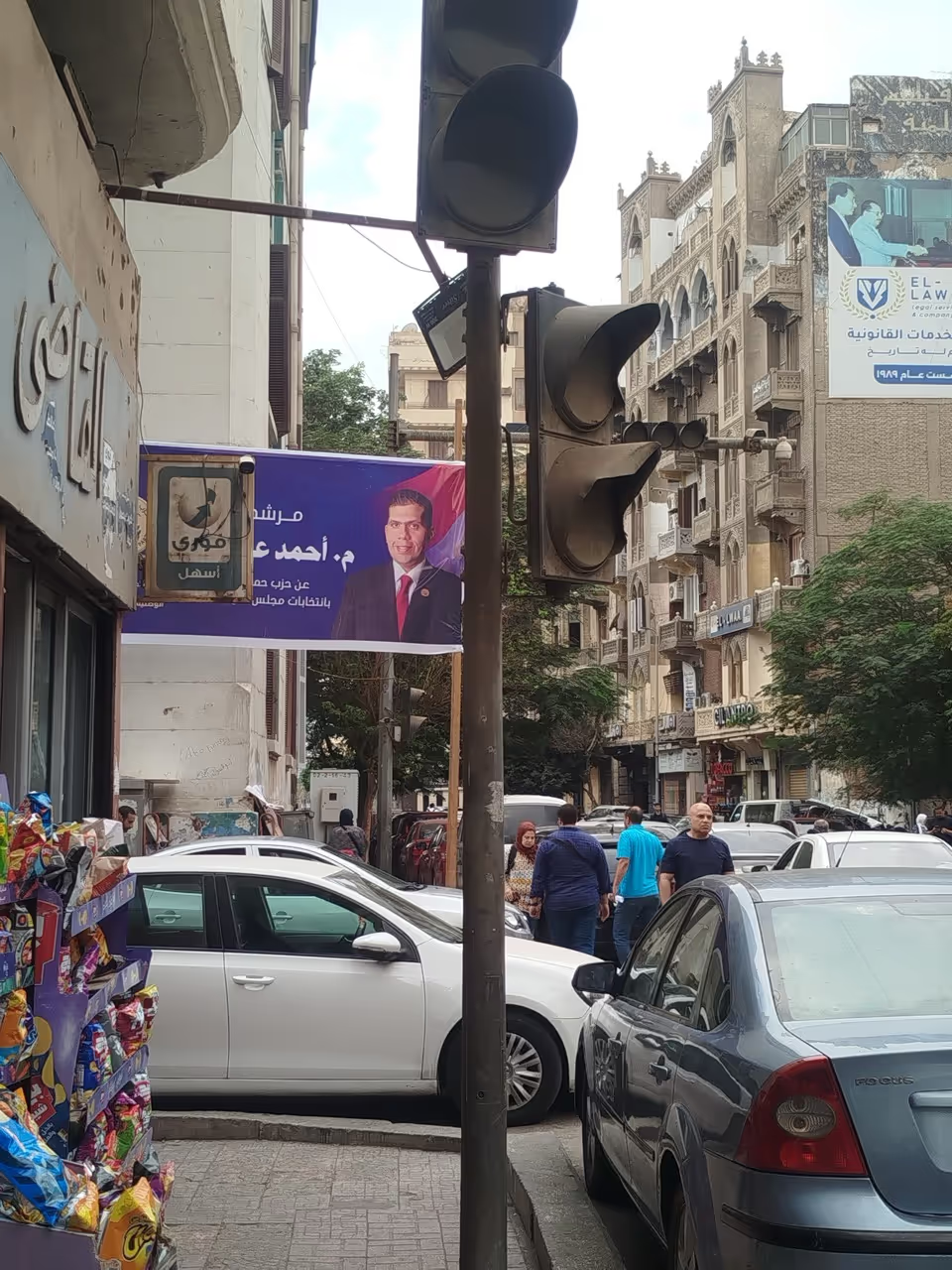
What if the linguistic signs that surround us were not merely treated as background visual noise, but as central components of the learning experience itself?
In this line of thought, how can study-abroad programs help students engage more consciously with the Arabic they encounter beyond the classroom? And what can Arabic signs in the public-space teach learners about the socio-cultural, artistic, historic, political contexts that formal textbooks often struggle to capture?
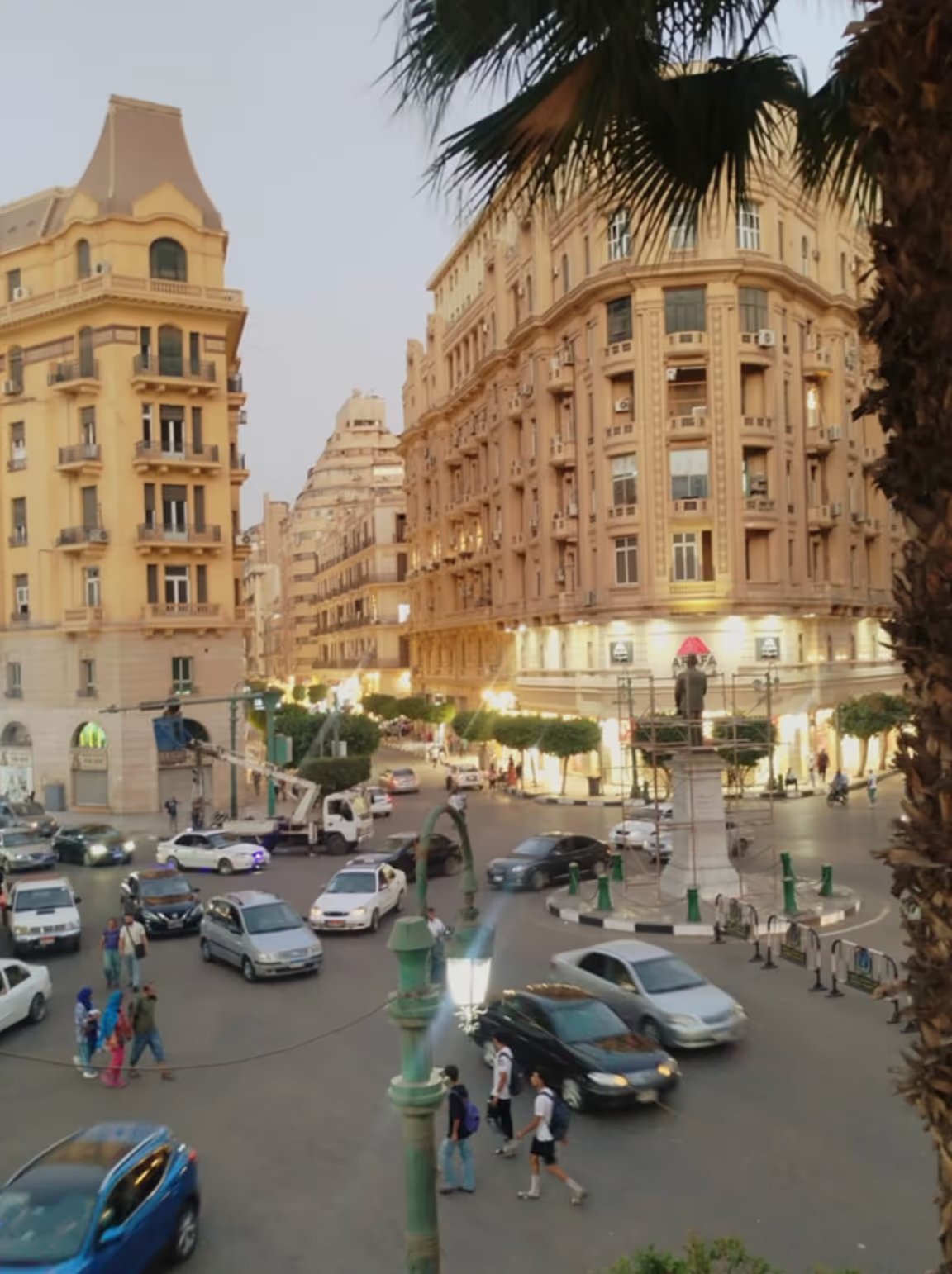
This curiosity pushed me to start paying closer attention to Cairo’s streets, especially Downtown, not as scenery, but as language in action.
In the next sections, I will share some reflections from the analysis of selected examples from linguistic landscape items in Mohamed Mahmoud Street, a familiar place where Arabic learners usually hang out, characterized by a rich, multilayered and dynamic environment under multiple dimensions.
Before delving into the analysis, it is useful to refer to the theory of what we are looking at: Linguistic LandscapeLinguistic LandscapeLinguistic Landscape (LL) is the collection of public language you see around you, such as on street signs, advertisements, and shops. The term has expanded from official signs to include graffiti and digital displays.. But you do not need the term to recognize the experience.
If you are learning Arabic in Cairo, you have probably felt it already:
These moments matter. They are where Arabic stops being abstract and starts becoming lived.
Walk down Mohamed Mahmoud Street and you will see Egyptian Colloquial Arabic everywhere, especially on shop and cafés fronts, and advertisements.
For learners, this is where things get exciting.
This is Arabic as it is used to persuade, joke, invite, exaggerate and simply connect.
As in the couple of examples below, you may start noticing:
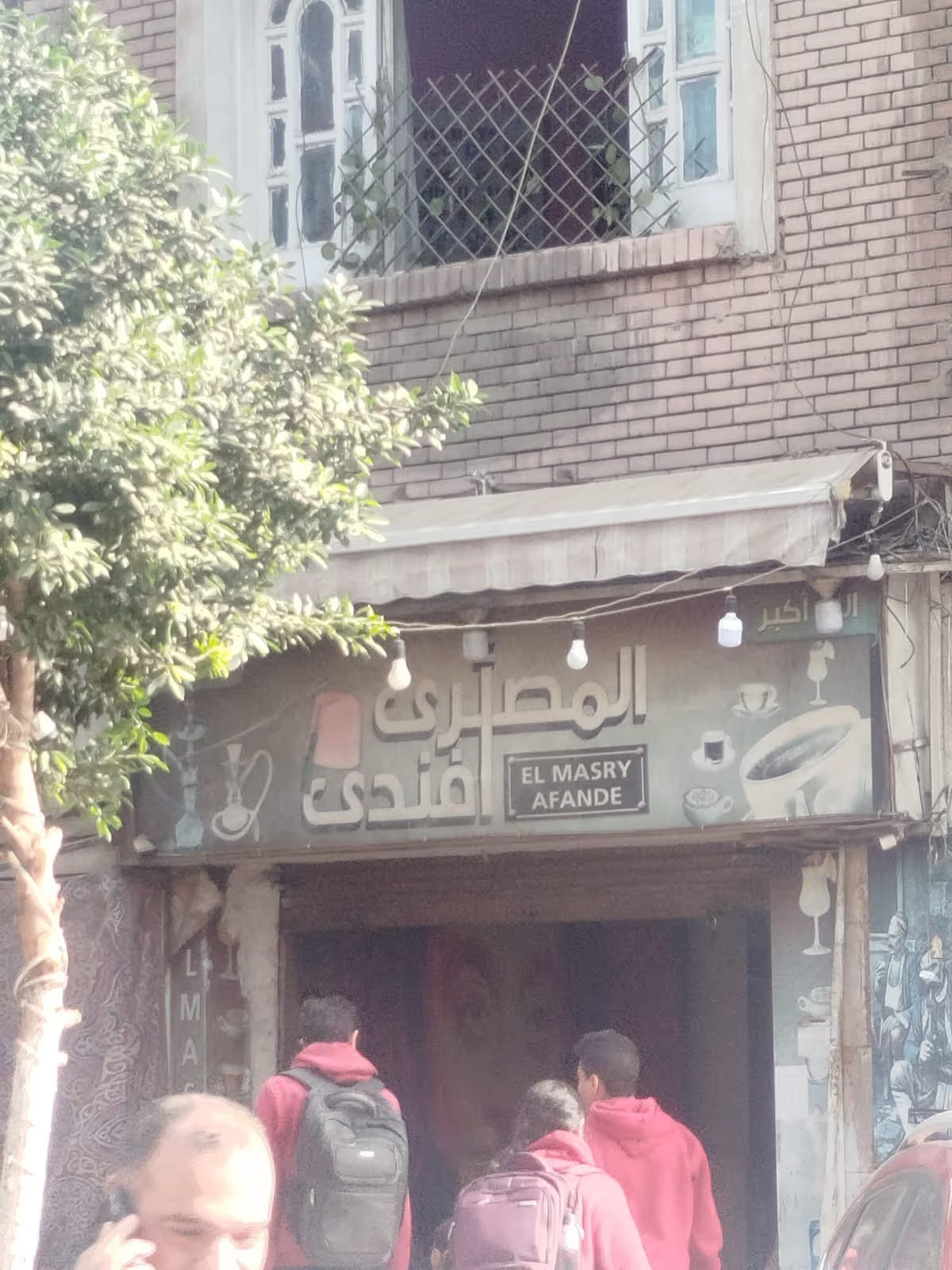
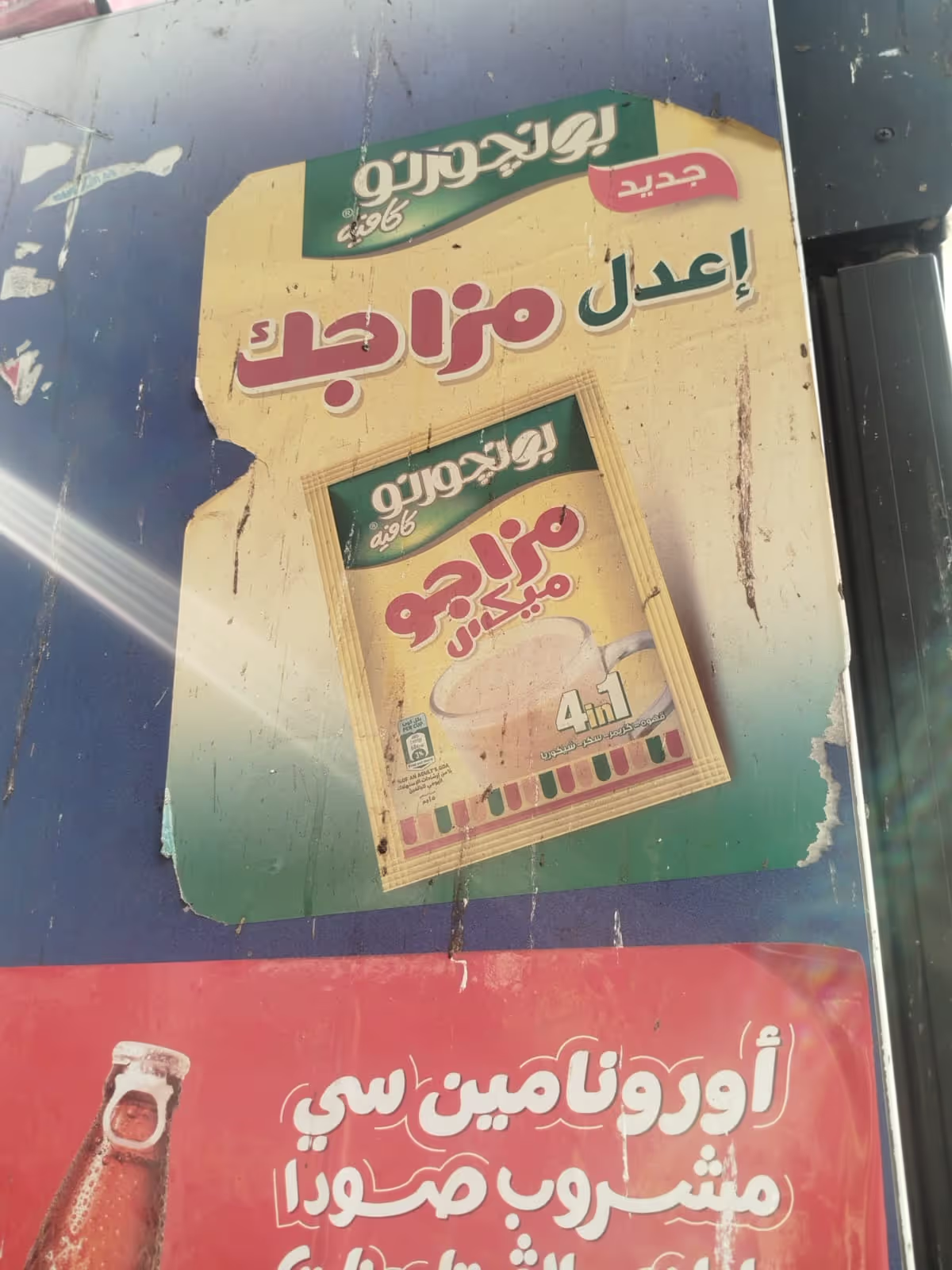
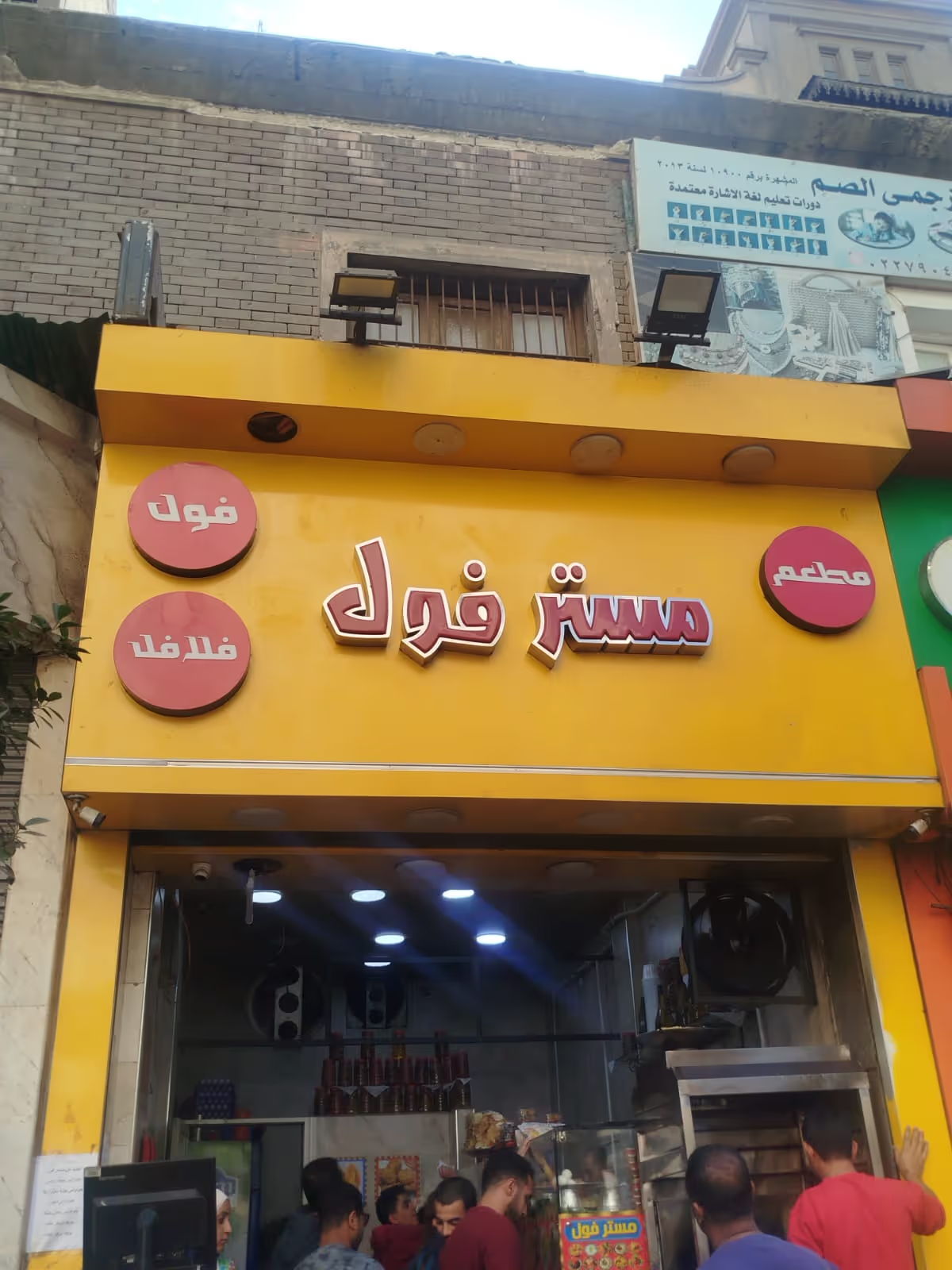
Without realizing it, you are training your eye and your intuition with authentic, original and multimodal material, which formal textbooks and classroom contexts often struggle to reproduce.
Just a few steps away, the register shifts.
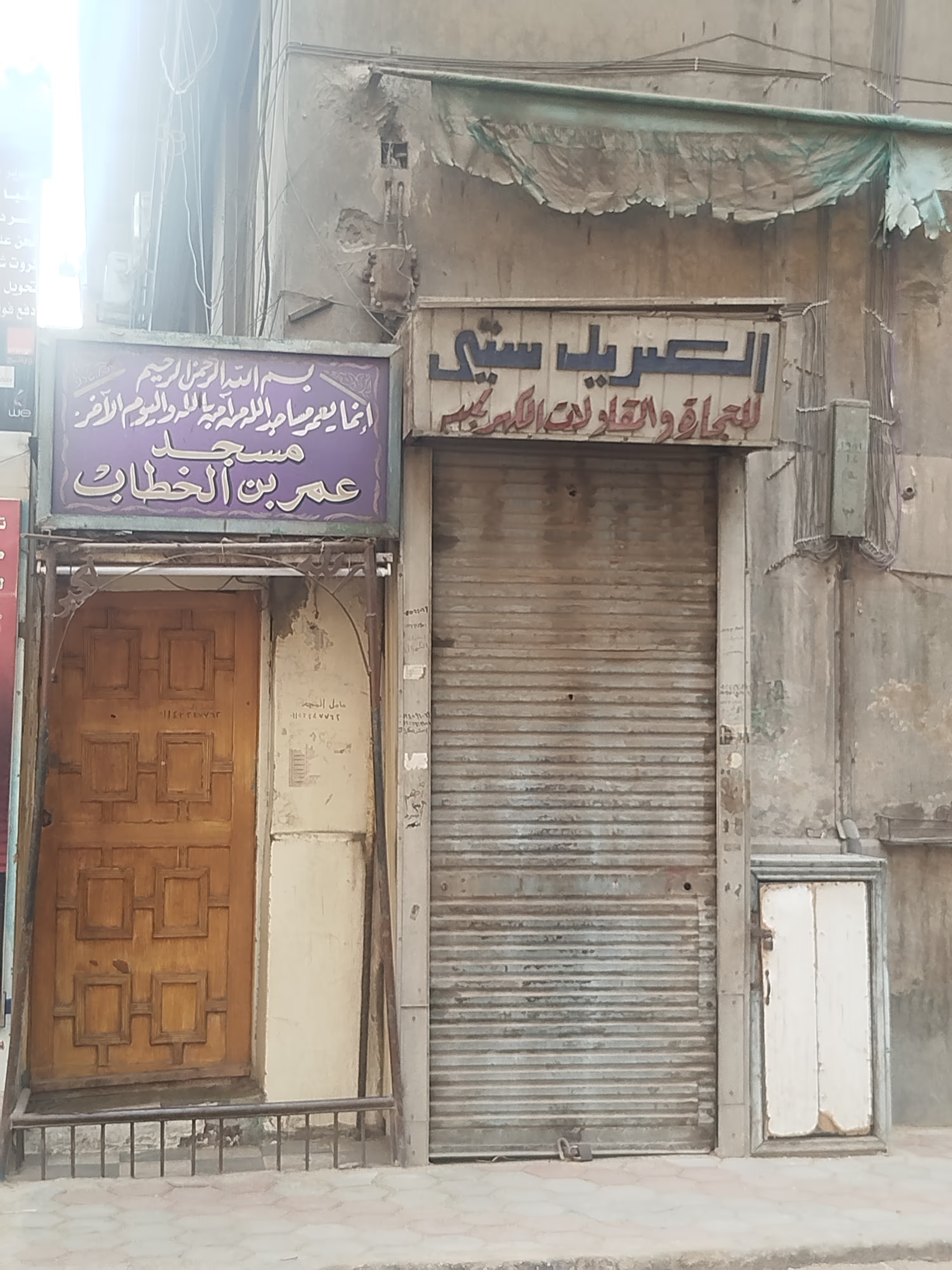
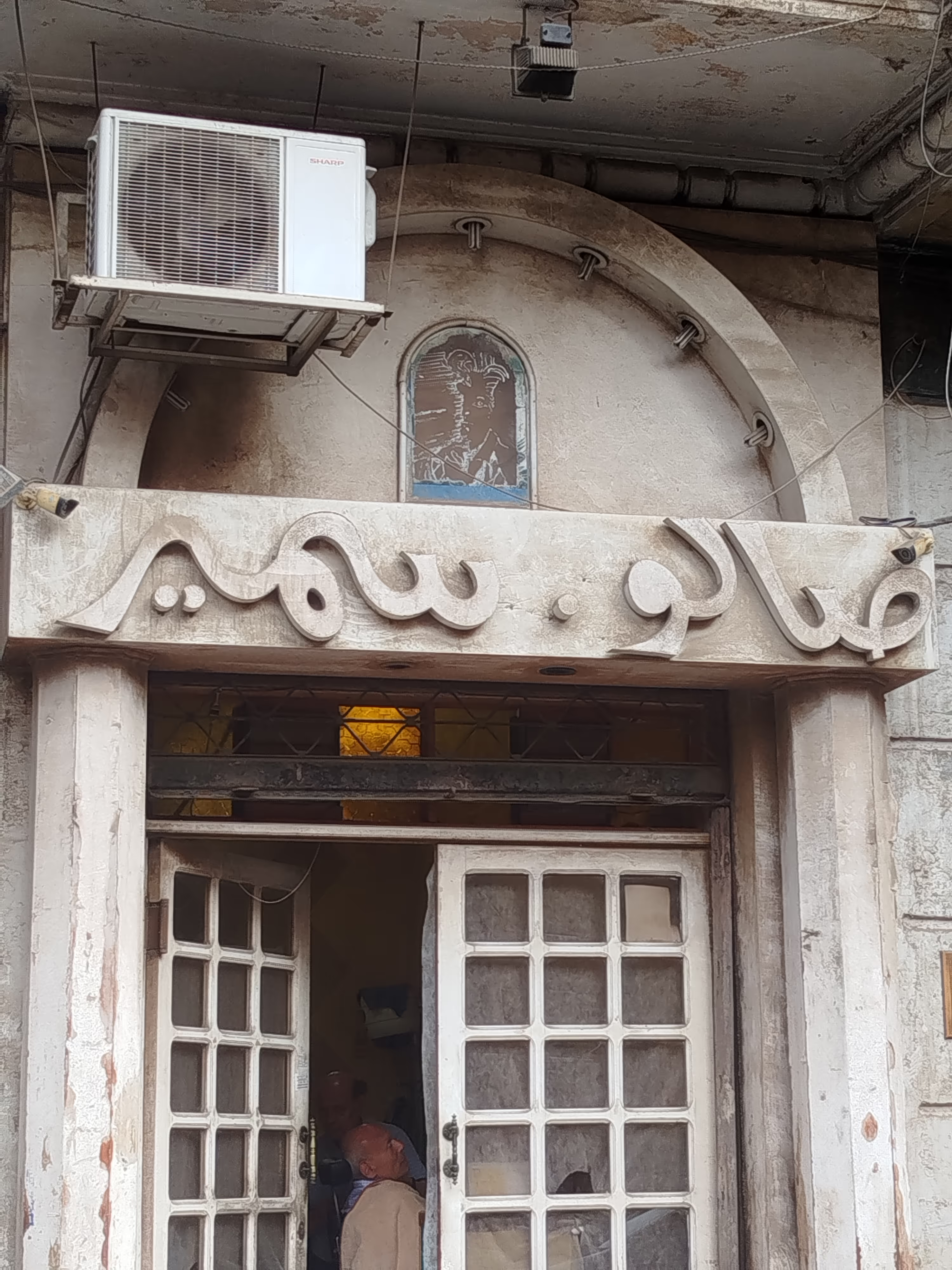
School signs. Government buildings. Official street names. In these contexts, Modern Standard Arabic takes center stage.
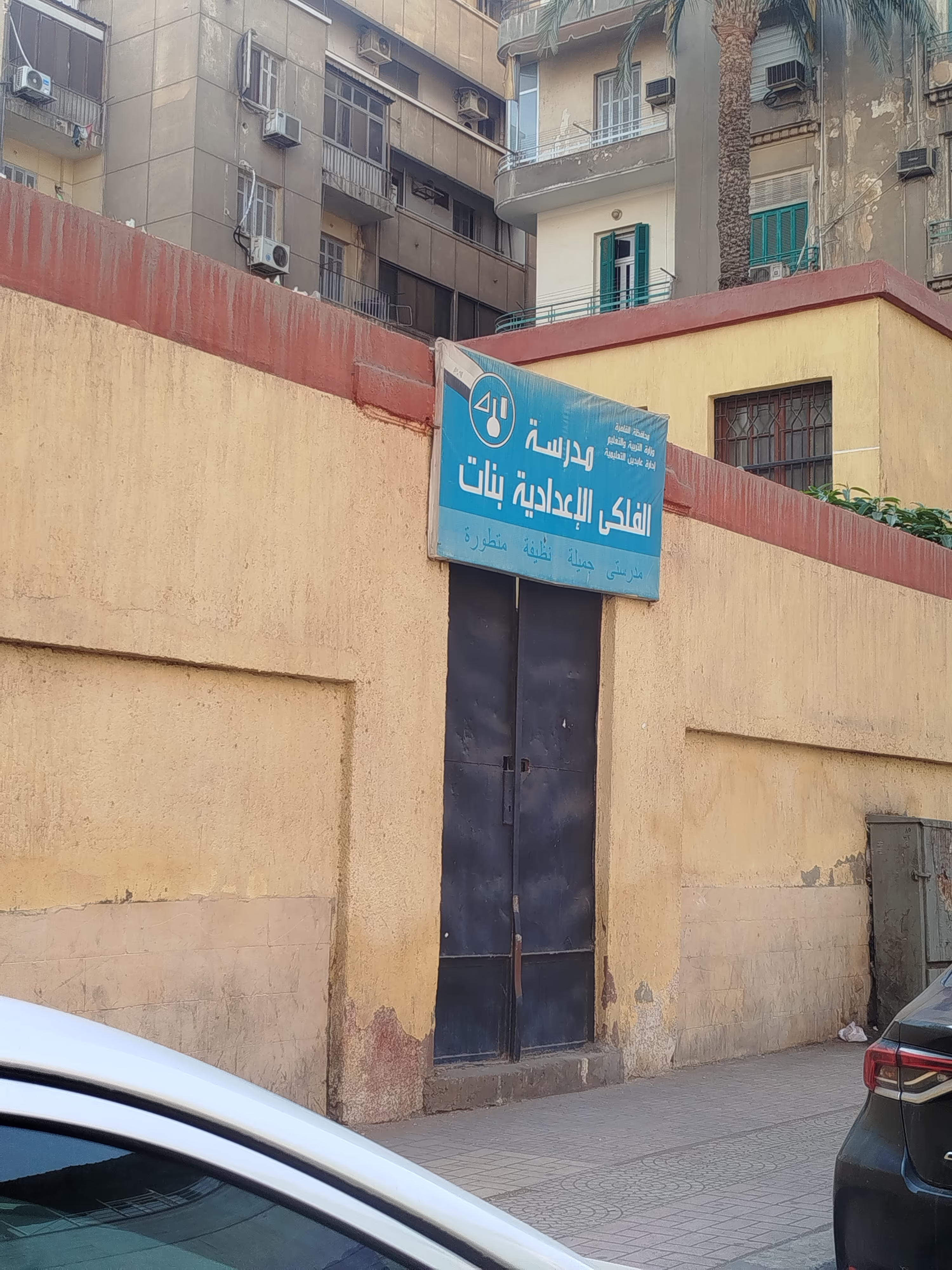
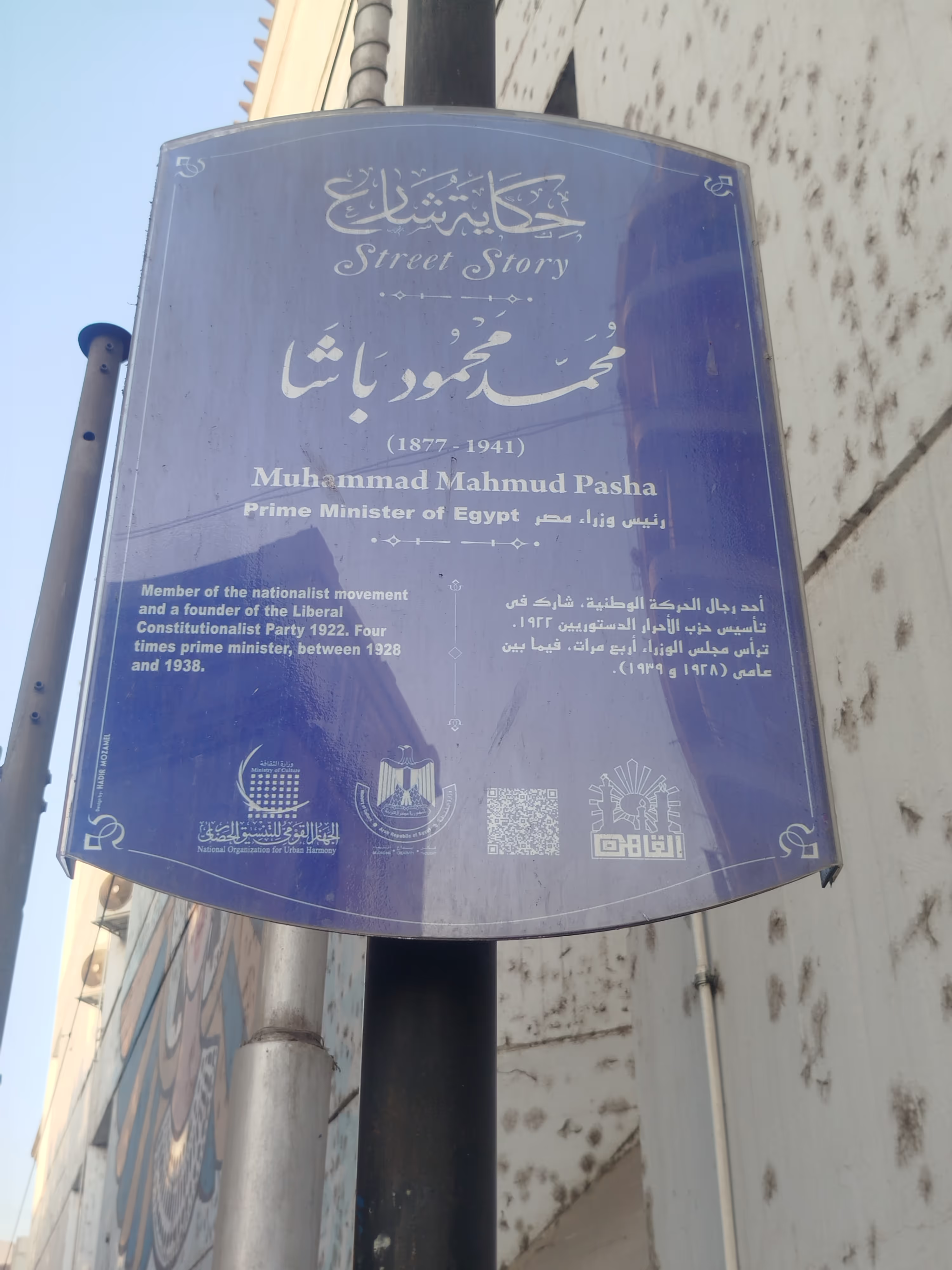
But even here, things are not as rigid as it might be expected. In many signs, you will notice stylistic choices and traces of colloquial Arabic naturally inserted. Like in the images above, the MSA sign includes orthographic features typical of Egyptian Colloquial Arabic, namely the absence of the two dots under yā’.
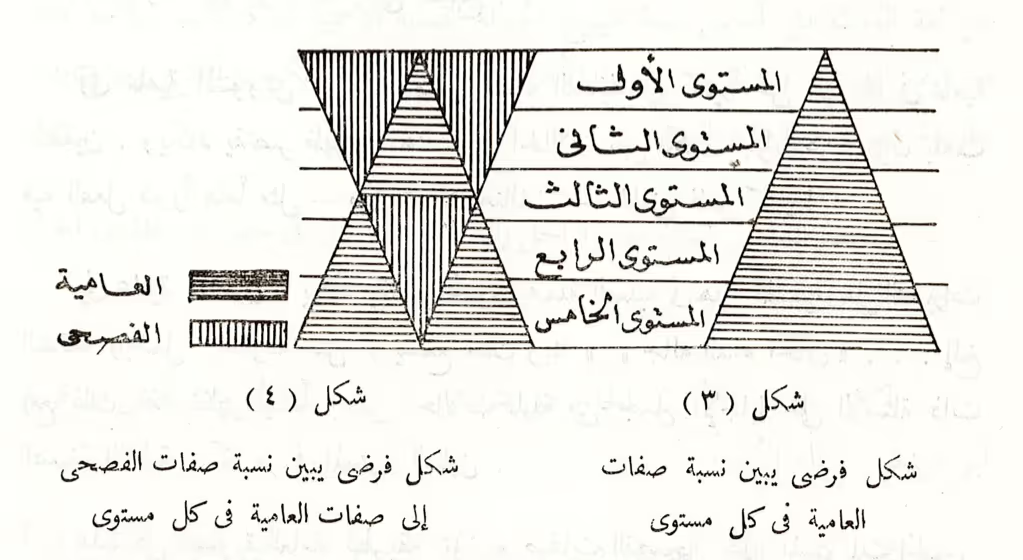
For learners, this offers a major lesson: Arabic varieties do not exist in sealed compartments, separated by rigid boundaries as first defined by Ferguson’s view of diglossiadiglossiaDiglossia is a language situation where two very different forms of the same language are used: a High form (learned formally, used for writing, literature, and formal speeches) and a Low form (day-to-day communication).. They overlap, blend and respond to context according to a constant movement along the fluid continuum of the levels of Arabic, as theorized by El-Said BadawiBadawi's Levels of Contemporary ArabicBadawi (1973) viewed Arabic not as simply diglossic, but as a fluid spectrum, ranging from the most casual, uneducated spoken Arabic all the way to the most formal, Classical Written Arabic. in 1973.
Check out Of Aralects and Diglossia: The Hidden Beast , and Unpacking Arabic Polyglossia: A Community Interpreter's Journey .
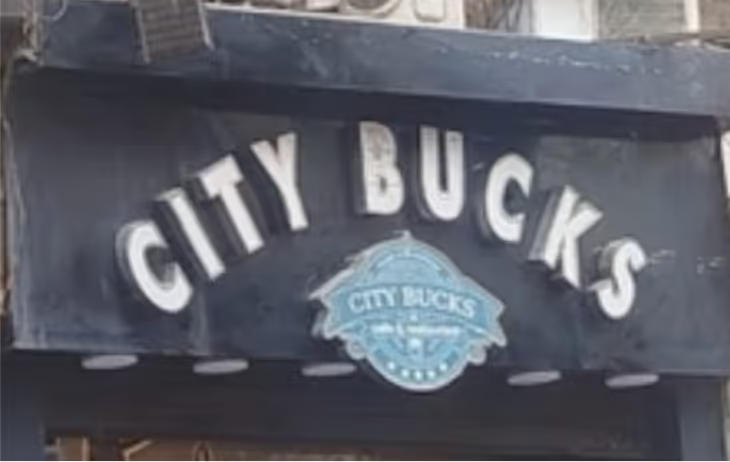
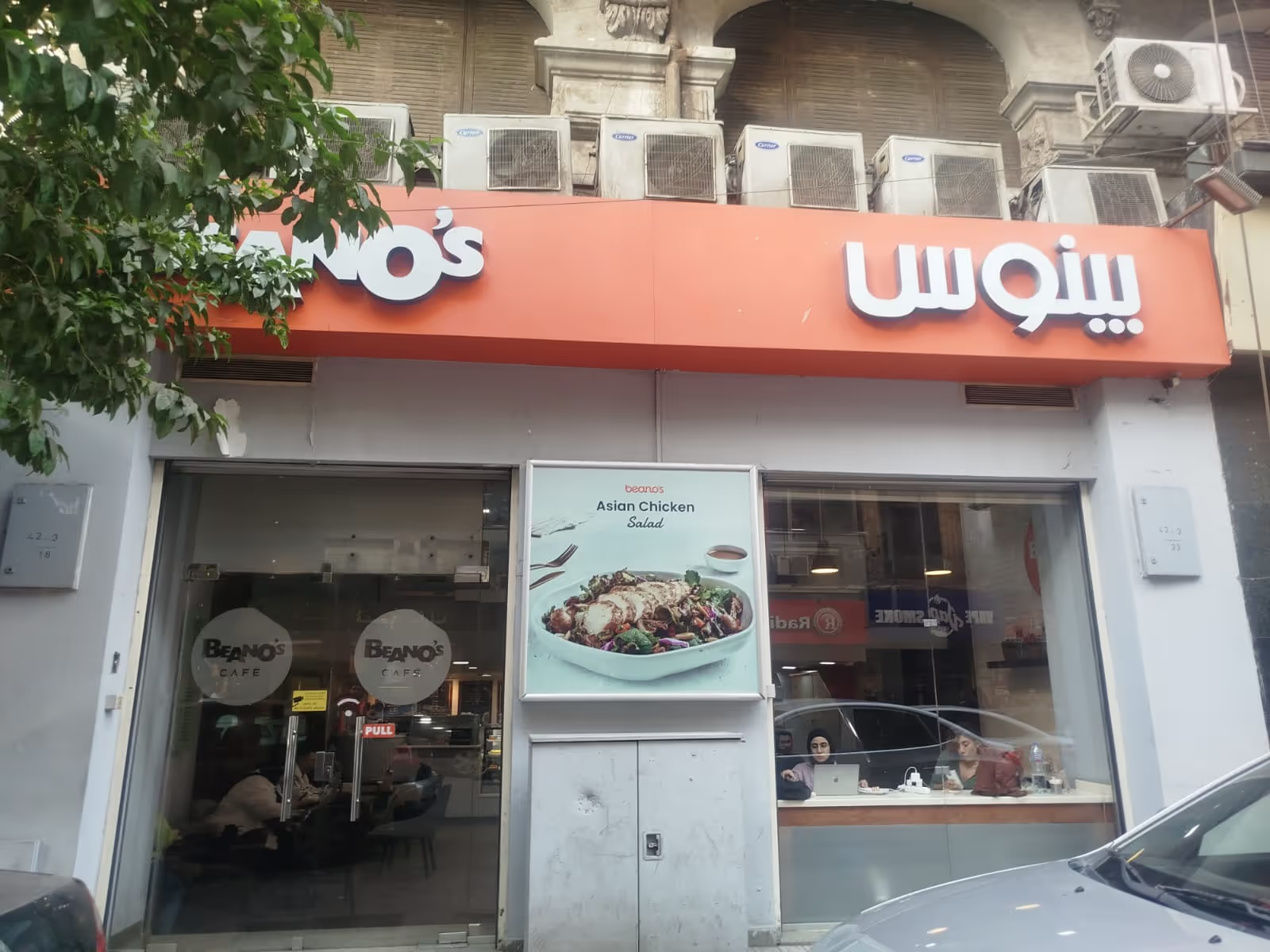
English is highly visible on Mohamed Mahmoud Street, especially in cafés, hotels and commercial spaces. Interestingly, it often appears alongside Arabic and enriched by visual elements, as in the example below where English is paired with images giving references to the Pharaonic past.

These signs quietly raise big questions:
The growing presence of English on Cairo’s streets also invites reflection on prestige and identity in a globalized city. A sign like al-Dimyāṭī written in Arabic above Coca-Cola on Mohamed Mahmoud Street shows how global brands are woven into local life.
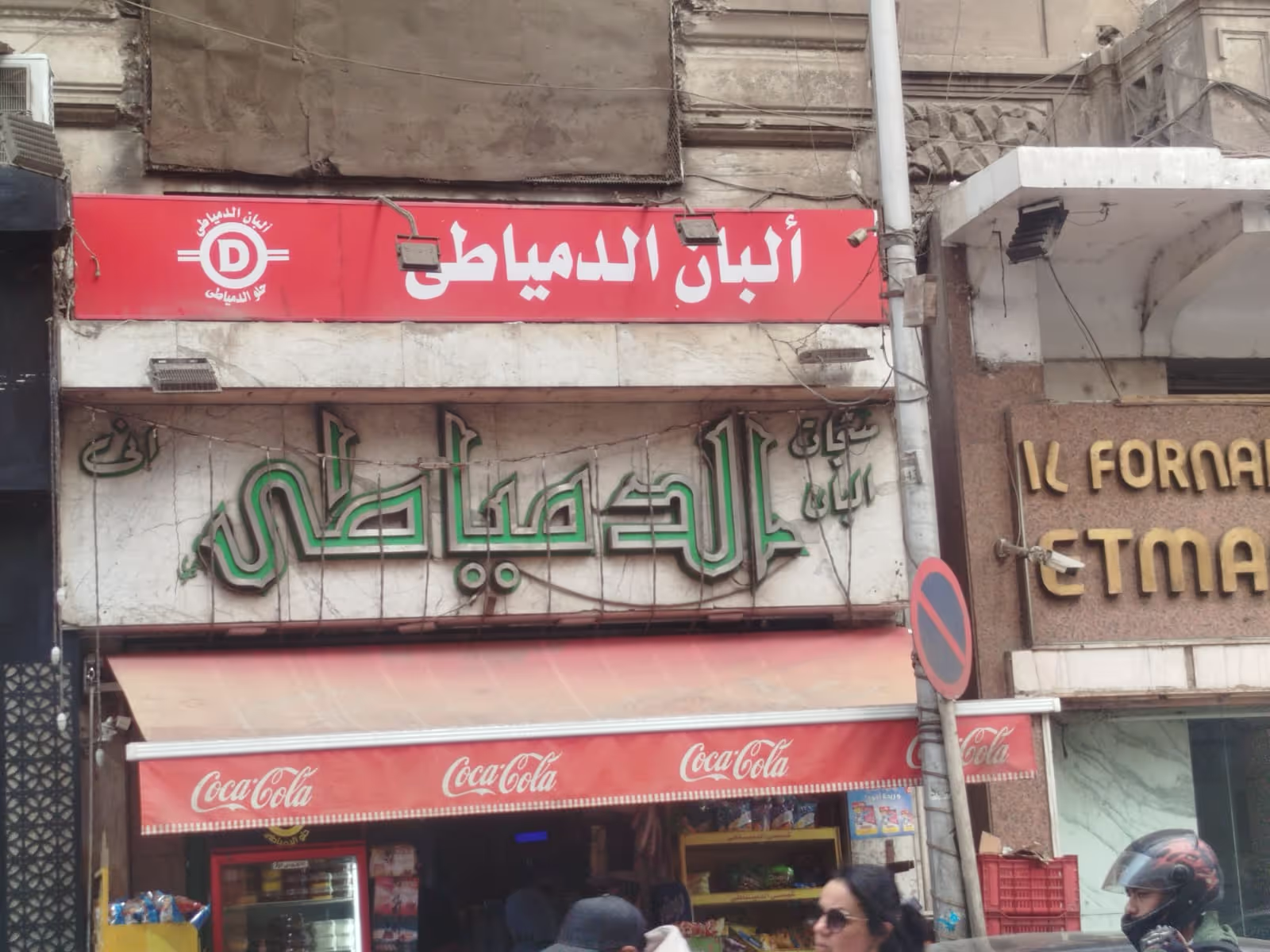
For learners, this offers a concrete way to think about globalization, prestige and language choice, stimulating wider reflections on language use, multilingualism and the layers of factors driving it grounded in everyday observation, beyond theory.
When learners begin to actively noticeNoticing HypothesisThe Noticing Hypothesis (Schmidt, 1995) is a theory in language learning. It explains that language you see (input) only becomes learned (intake) when you consciously pay attention to it. the Linguistic Landscape, something shifts.
Learners can start to:
Arabic stops being something to master before using. Rather, it becomes something you learn by engaging with, in its natural and authentic form.

This exploration only looked at a small number of signs, leaving aside other rich elements, like graffiti or other foreign languages present in Downtown Cairo, that could open up even deeper political and historical conversations.
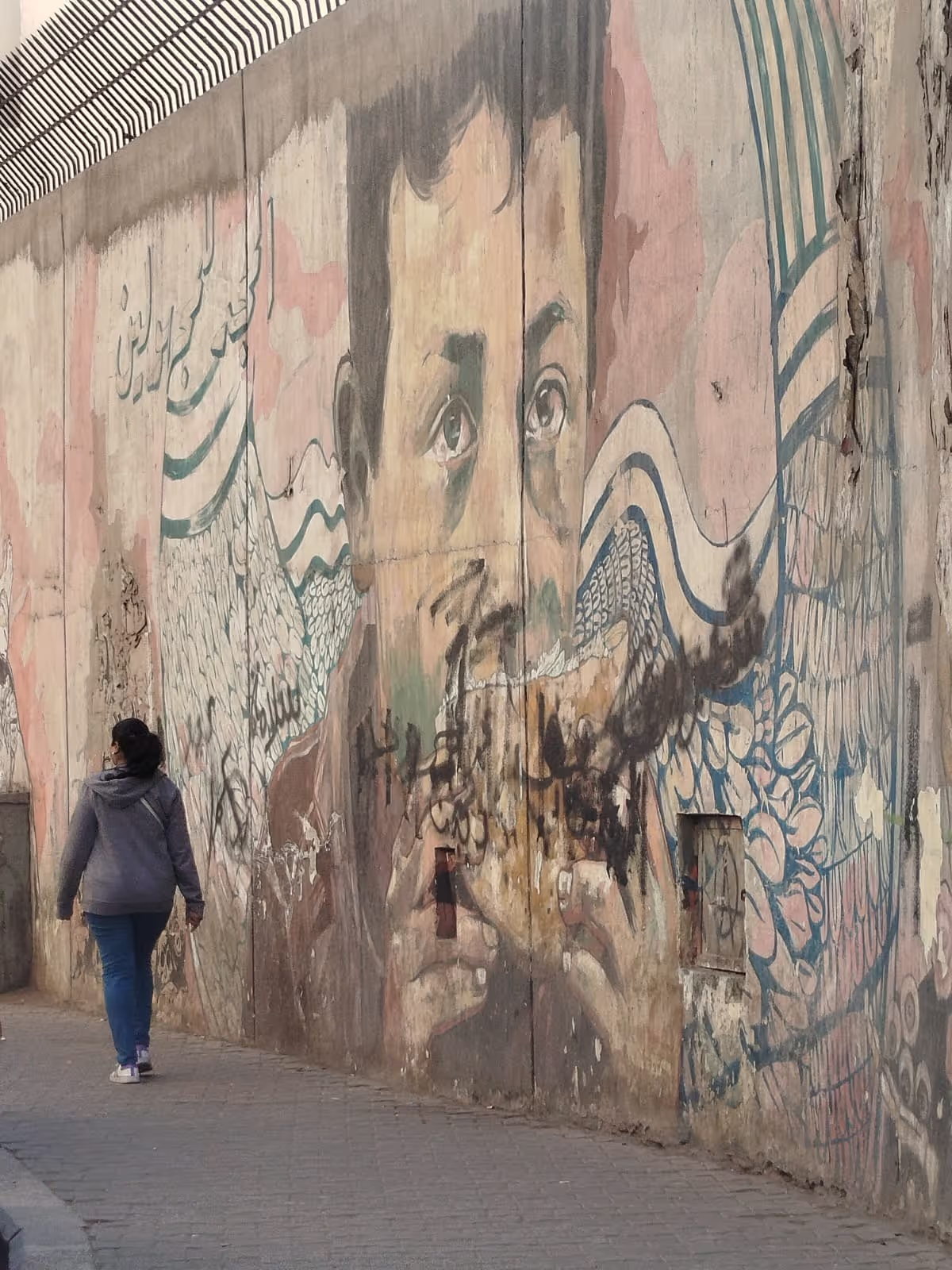

Still, it offers a useful starting point for seeing how powerful Cairo’s streets can be as learning spaces within Arabic immersion programs.
What stands out most is the incredible variety of Arabic you encounter in public spaces: different scripts, word choices, spellings, and symbols, all existing side by side. Together, they bring to life what Edward Said once described so beautifully:

The Arabic language is a very flexible and athletic language […], and its possibilities are as many as the Arabs are many.
On Mohamed Mahmoud Street, the constant overlap between Egyptian Colloquial Arabic and Modern Standard Arabic also encourages learners to think about diglossia in a new way, not as a rigid split, but as a fluid and dynamic continuum within one living language.
There is much more to explore and this article intends to be just the starting point for future research and practical experimentation. Future work could follow learners at different levels as they engage with the linguistic landscape through guided walks, reflection activities, or learner-created photo collections, in Cairo and in other cities where Arabic is learned abroad. In this way, Arabic learning moves even closer to lived experience, where the language is not just studied, but noticed, used, felt and, most importantly, lived day by day.
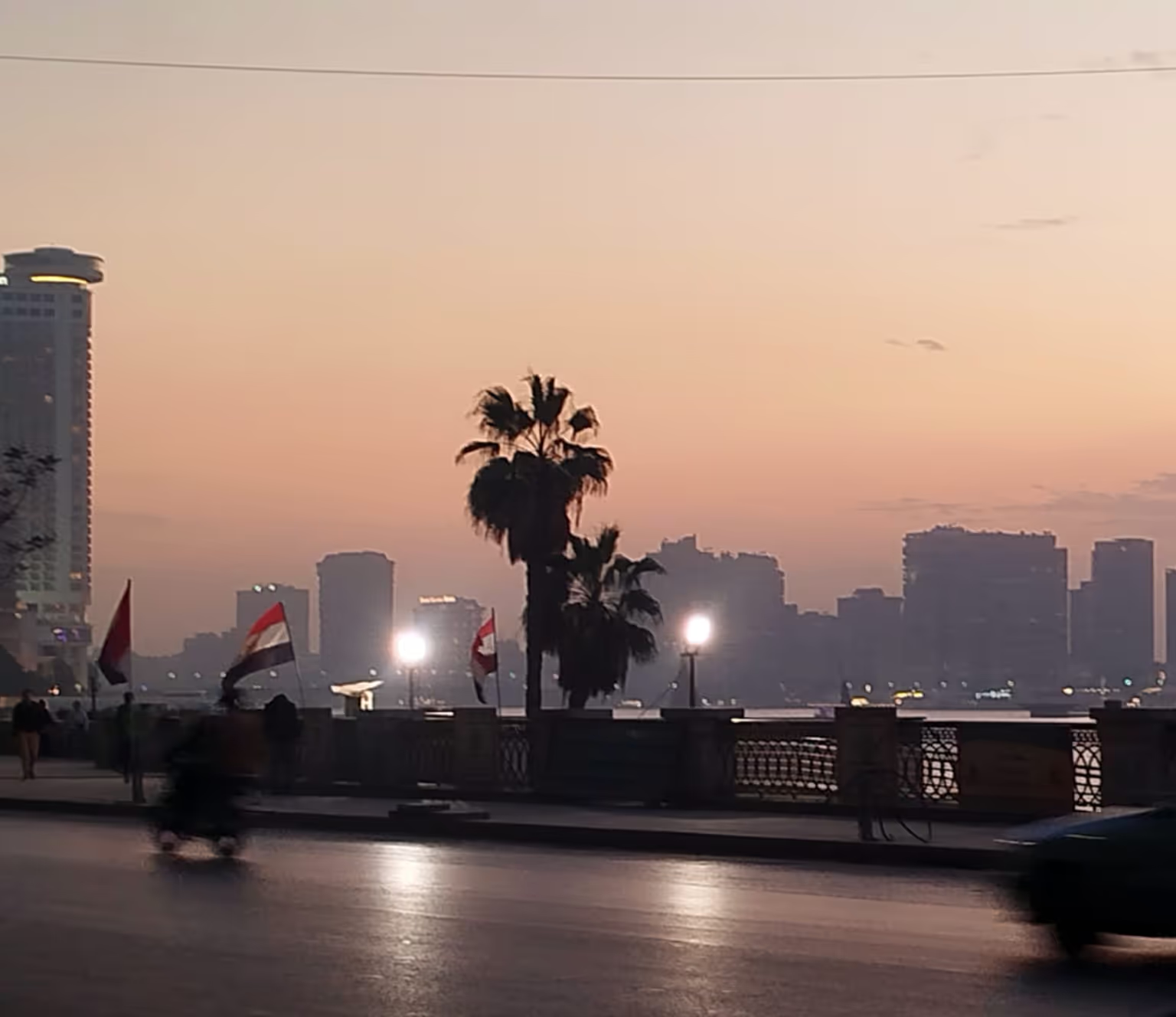
These small habits turn everyday walks into language lessons, unfolding day after day with the power of bring the study abroad experience to the next level!
With a background in journalism and Mediterranean studies, Veronica has written on language, culture, and society for platforms such as The New Arab, Egyptian Streets, Dialoghi Mediterranei, and Beirut Today, and is the author of Sorprendersi in Egitto (Bookabook, 2023), a book reflecting on her linguistic and cultural journey in Egypt. Across her work in journalism, communication, and education throughout the Mediterranean, Arabic has remained a central focus, leading her to pursue further specializations, including the CASA@AUC program (2023–2024) and a TAFL diploma from Alexandria University. She is currently a TAFL MA graduate fellow at the American University in Cairo and has recently served in credit curriculum facilitation at Al-Wāḥa Arabic Camp (Concordia Language Villages). Alongside this, she continues to explore Arabic through cultural storytelling and everyday practice, sharing this work through her project and Instagram page, where language meets daily life and culture.